
JobComm, Career & Advice, read career advice from Jobmonster's experts. It's all about The Comments. Just The Comments.

JobComm, Career & Advice, read career advice from Jobmonster's experts. It's all about The Comments. Just The Comments.

Invite Friends To A Page\Profile On Facebook
 below the Page's cover photo and select Invite Friends.
 below the cover photo.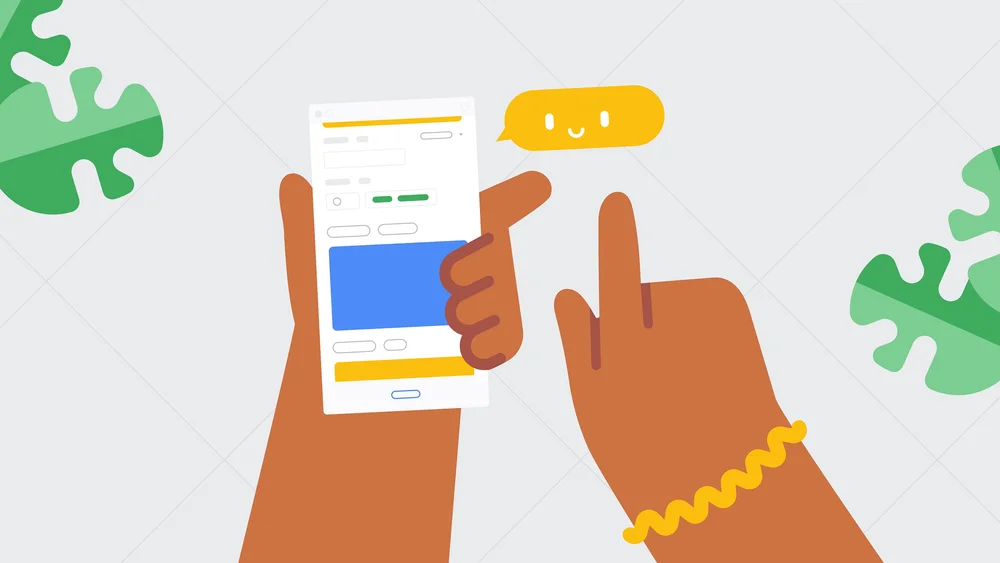
How do you help people navigate a world with so much AI?
From Google
My goal is to ensure that people, at a basic level, know how AI works and how it impacts their lives. AI systems can be really complicated, but the goal of explaining AI isn’t to get everyone to become programmers and understand all of the technical details — it’s to make sure people understand the parts that matter to them.
When AI makes a decision that affects people (whether it’s recommending a video or qualifying for a loan), we want to explain how that decision was made. And we don’t want to just provide a complicated technical explanation, but rather, information that is meaningful, helpful, and equips people to act if needed.
We also want to find the best times to explain AI. Our goal is to help people develop AI literacy early, including in primary and secondary education. And when people use products that rely on AI (everything from online services to medical devices), we want to include a lot of chances for people to learn about the role AI plays, as well as its benefits and limitations. For example, if people are told early on what kinds of mistakes AI-powered products are likely to make, then they are better prepared to understand and remedy situations that might arise.
 |
| Amazon Web Services |
A non-fungible token is created by an artist, creator, or license-holder through a process called minting. Minting is a process that involves signing a blockchain transaction that outlines the fundamental token details, which is then broadcasted to the blockchain to trigger a smart contract function which creates the token and assigns it to its owner.

by Marlo Lyons
Career coaches provide a range of services, from helping you figure out what you want to do to exploring opportunities for professional growth to supporting you through the ups and downs of looking for a new job. Engaging with a career coach requires an investment of time and money, so it’s important to do your due diligence to determine if working with one will help you accomplish your goals and if so, which coach might be the right fit for you. Here are five reasons you might consider hiring a career coach and five tips on how to choose one.
Career coaches help clients come to their own resonant decisions about how to “maximize their personal and professional potential,” per the International Coaching Federation. In other words, they’re there to help you figure out what you want to do and understand assumptions you’re making about yourself that are preventing you from advancing in your professional goals.
Career coaches may also provide some consulting services to achieve your goals, such as drafting your resume and helping you sharpen your interviewing skills. Importantly, career coaches should never promise they will get you a job or help you achieve a certain salary, because you hold the key to your success.
If the issues you’re trying to address extend beyond just your career, you may want to start by engaging a therapist, who can help you explore your past trauma and understand its impacts on all areas of your life, including your career.

Consumer Goods or Services - Goods or services purchased, leased, or rented primarily for personal, family, or household purposes, including courses of instruction or training regardless of the purpose for which they are taken.
(c) Seller - Any person, partnership, corporation, or association engaged in the door-to-door sale of consumer goods or services.
(d) Place of Business - The main or permanent branch office or local address of a seller.
(e) Purchase Price - The total price paid or to be paid for the consumer goods or services, including all interest and service charges.
(f) Business Day - Any calendar day except Sunday or any federal holiday (e.g., New Year's Day, Presidents' Day, Martin Luther King's Birthday, Memorial Day, Independence Day, Labor Day, Columbus Day, Veterans' Day, Thanksgiving Day, and Christmas Day.)
Set Up a Creator Account On InstaGram
 in the upper right corner.
 Settings.
Professional mode gives you access to a bundle of professional tools, insights and monetization products that can help you build your professional presence from your personal profile. Previously, these tools and features were available only on Pages.
Here’s how you can turn on professional mode:
If you don’t want to use professional mode on your profile, you can turn it off. If you turn off professional mode:
After you turn off professional mode, you can expect the following changes:
Here’s how to turn off professional mode:
When you use our services, you’re trusting us with your information. We understand this is a big responsibility and work hard to protect your information and put you in control.
This Privacy Policy is meant to help you understand what information we collect, why we collect it, and how you can update, manage, export, and delete your information.
We build a range of services that help millions of people daily to explore and interact with the world in new ways. Our services include:
You can use our services in a variety of ways to manage your privacy. For example, you can sign up for a Google Account if you want to create and manage content like emails and photos, or see more relevant search results. And you can use many Google services when you’re signed out or without creating an account at all, like searching on Google or watching YouTube videos. You can also choose to browse the web in a private mode, like Chrome Incognito mode. And across our services, you can adjust your privacy settings to control what we collect and how your information is used.
We want you to understand the types of information we collect as you use our services
We collect information to provide better services to all our users — from figuring out basic stuff like which language you speak, to more complex things like which ads you’ll find most useful, the people who matter most to you online, or which YouTube videos you might like. The information Google collects, and how that information is used, depends on how you use our services and how you manage your privacy controls.
When you’re not signed in to a Google Account, we store the information we collect with unique identifiers tied to the browser, application, or device you’re using. This allows us to do things like maintain your preferences across browsing sessions, such as your preferred language or whether to show you more relevant search results or ads based on your activity.
When you’re signed in, we also collect information that we store with your Google Account, which we treat as personal information.
When you create a Google Account, you provide us with personal information that includes your name and a password. You can also choose to add a phone number or payment information to your account. Even if you aren’t signed in to a Google Account, you might choose to provide us with information — like an email address to communicate with Google or receive updates about our services.
We also collect the content you create, upload, or receive from others when using our services. This includes things like email you write and receive, photos and videos you save, docs and spreadsheets you create, and comments you make on YouTube videos.
We collect information about the apps, browsers, and devices you use to access Google services, which helps us provide features like automatic product updates and dimming your screen if your battery runs low.
The information we collect includes unique identifiers, browser type and settings, device type and settings, operating system, mobile network information including carrier name and phone number, and application version number. We also collect information about the interaction of your apps, browsers, and devices with our services, including IP address, crash reports, system activity, and the date, time, and referrer URL of your request.
We collect this information when a Google service on your device contacts our servers — for example, when you install an app from the Play Store or when a service checks for automatic updates. If you’re using an Android device with Google apps, your device periodically contacts Google servers to provide information about your device and connection to our services. This information includes things like your device type and carrier name, crash reports, which apps you've installed, and, depending on your device settings, other information about how you’re using your Android device.
We collect information about your activity in our services, which we use to do things like recommend a YouTube video you might like. The activity information we collect may include:
If you use our services to make and receive calls or send and receive messages, we may collect call and message log information like your phone number, calling-party number, receiving-party number, forwarding numbers, sender and recipient email address, time and date of calls and messages, duration of calls, routing information, and types and volumes of calls and messages.
You can visit your Google Account to find and manage activity information that’s saved in your account.
To learn more click on the links @ the top of this page.
Thank You, Jobmonsta
